
ChatGPT has become another place where people discover websites.
Someone can ask, “What are the best SEO plugins for WordPress?” and get an answer with links to websites that ChatGPT found useful. A different person might ask for the best tools for keyword research, a local business recommendation, or a comparison between 2 products.
That creates a new SEO question:
How do you get your website mentioned and cited in ChatGPT?
There isn’t a guaranteed formula. OpenAI says ChatGPT search uses multiple factors to find relevant and reliable results, and placement isn’t guaranteed. Your first job is making sure ChatGPT can access your content.
Then comes the harder part: creating pages that are genuinely useful when an AI system is looking for an answer.
Here are 10 practical steps for AI search content Optimization you can work on.
1. Make sure ChatGPT can crawl your website
Start with the technical basics.
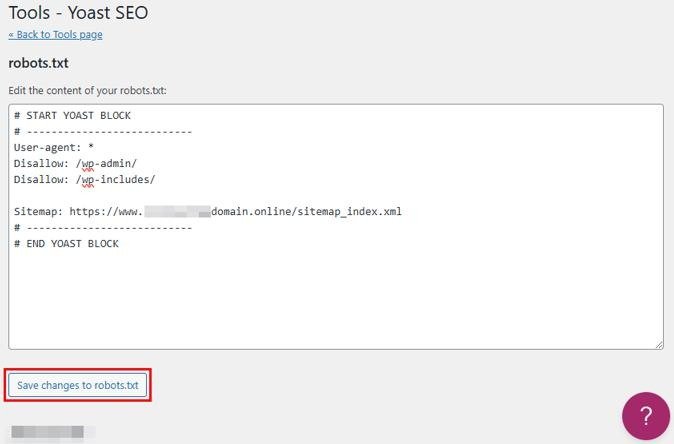
OpenAI uses OAI-SearchBot to discover content for ChatGPT search. If your robots.txt file blocks the crawler, your pages can have trouble being included in ChatGPT search results.
For a WordPress website, check your robots.txt file before changing anything else.
You can usually find it at:
https://yourwebsite.com/robots.txtLook for rules that block OpenAI’s search crawler.
You also need to check your security plugin, CDN, firewall, or hosting settings. A website can have a perfectly written article and still create access problems if automated crawlers receive a 403 or similar response.
OpenAI recommends allowing OAI-SearchBot and making sure your hosting or CDN allows traffic from OpenAI’s published searchbot IP addresses.
For most small WordPress sites, this is a technical check rather than a major SEO project.
2. Write pages that answer specific questions
ChatGPT users search differently from someone typing a short keyword into Google.
A user might type:
But in ChatGPT, the same person might ask:
Which SEO plugin should I use for a small WordPress blog with 50 articles?
That second query gives you much more information.
So build content around real questions.
Instead of creating one huge page called:
SEO Tools
you could create focused pages such as:
- Best SEO plugins for small WordPress blogs
- How to choose an SEO plugin
- Yoast SEO vs Rank Math
- Best free keyword research tools
- How to find low-competition keywords
- How to fix common WordPress SEO problems
Each page gives the system a clear subject to understand.
It also gives readers a much better answer.
3. Put the answer near the top of the page
Don’t make readers dig through 1,500 words before they find the basic answer.
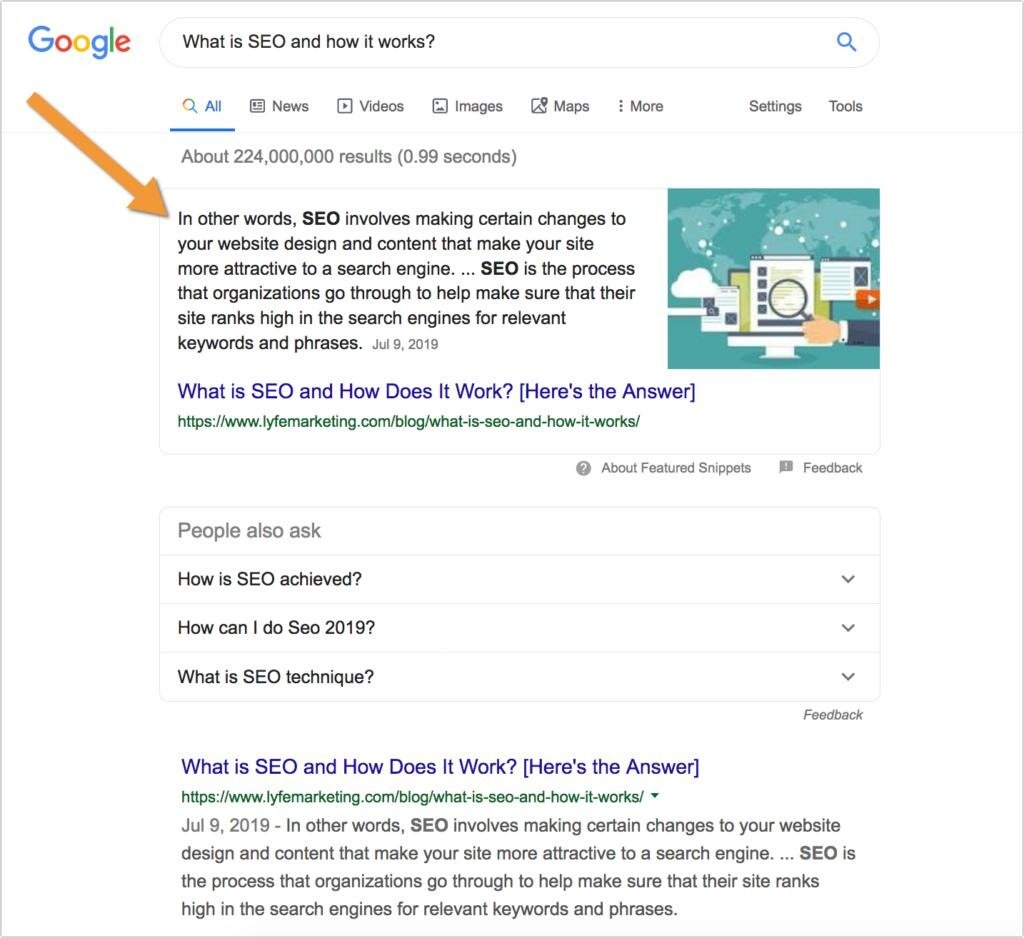
Start with a direct response.
For example, if your article targets:
How often should you update old blog posts?
You could open with:
Update an old blog post when the information is outdated, search intent has changed, or the page has lost useful traffic. For many websites, reviewing important posts every 6 to 12 months is a practical starting point.
Then explain the details.
This structure helps human readers scan the page quickly. It also gives search systems a clear passage that answers the question.
Use descriptive headings, short paragraphs, lists, tables, and examples where they actually help.
4. Cover the topic properly
A thin answer rarely gives an AI search system much useful material to work with.
Suppose you’re writing about WordPress SEO.
A 400-word article that repeats the phrase “WordPress SEO” 30 times doesn’t give much context.
A useful guide might cover:
- WordPress SEO settings
- XML sitemaps
- title tags
- meta descriptions
- canonical URLs
- internal links
- image SEO
- schema markup
- page speed
- redirects
- indexing
- Search Console
The goal is coverage that makes sense for the question.
You don’t have to force every related keyword onto the page. Explain the subject as someone who actually knows the topic would explain it.
5. Add first-hand information
This is one of the easiest ways to make your content more useful.
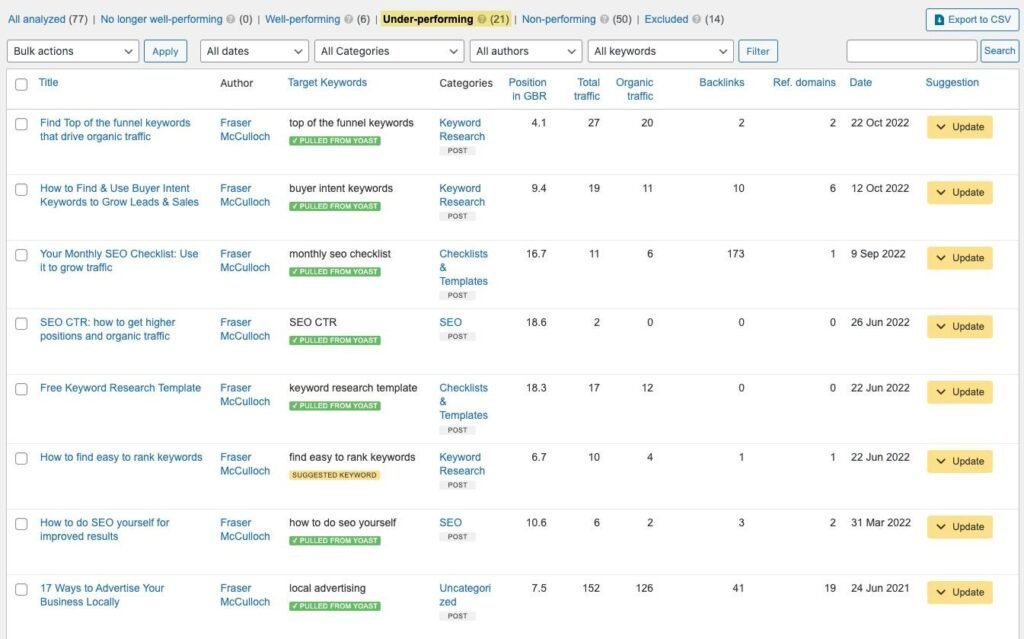
Tell readers what happened when you actually did something.
For example:
I tested 4 WordPress SEO plugins on a staging site before choosing one for this project. The biggest difference wasn’t the number of settings. It was how much configuration each plugin added to the dashboard.
That’s much more useful than:
SEO plugins have many features that can help website owners improve their SEO.
The first sentence gives the reader an experience.
You can add:
- screenshots
- test results
- examples
- before-and-after changes
- your own workflow
- mistakes you made
- specific settings you used
- things that didn’t work
Google’s current guidance for generative AI search continues to point site owners toward established SEO practices and useful, original content. Google also says its generative AI features use web sources, which means the underlying page still matters.
6. Make important facts easy to verify
AI search systems need information they can understand and connect to a source.
If you make a factual claim, give enough context for the reader to understand where it came from.
For example:
Google Search Console reports clicks and impressions for AI Overviews in its Performance report.
That’s a specific product claim.
If you’re writing about a Google feature, link to the relevant Google documentation. If you’re discussing a WordPress plugin, link to its official documentation or plugin page.
This also helps your human readers.
A sentence such as:
According to Google, structured data helps Google understand the content on a page.
is much stronger when the reader can check the source.
Google’s documentation says structured data provides information that helps Google understand page content, while also making clear that structured data doesn’t guarantee a particular search appearance.
7. Use clear entities and terminology
AI systems need to understand what your page is actually about.
Be specific with names.
If you’re discussing Rank Math, say Rank Math.
If you’re discussing Google Search Console, use the full product name when appropriate.
If you’re discussing ChatGPT search, say ChatGPT search rather than repeatedly using vague phrases such as “the AI platform.”
This sounds like a small writing detail.
It isn’t.
Clear terminology makes your content easier for people to read and gives the page stronger topical context.
You can also define unfamiliar terms the first time you use them.
For example:
A canonical URL tells search engines which version of a page you want treated as the main version when similar URLs exist.
Simple definitions make complicated subjects easier to follow.
8. Build topical connections between related pages
Your website shouldn’t look like a collection of unrelated articles.
Create groups of content around subjects you actually cover.
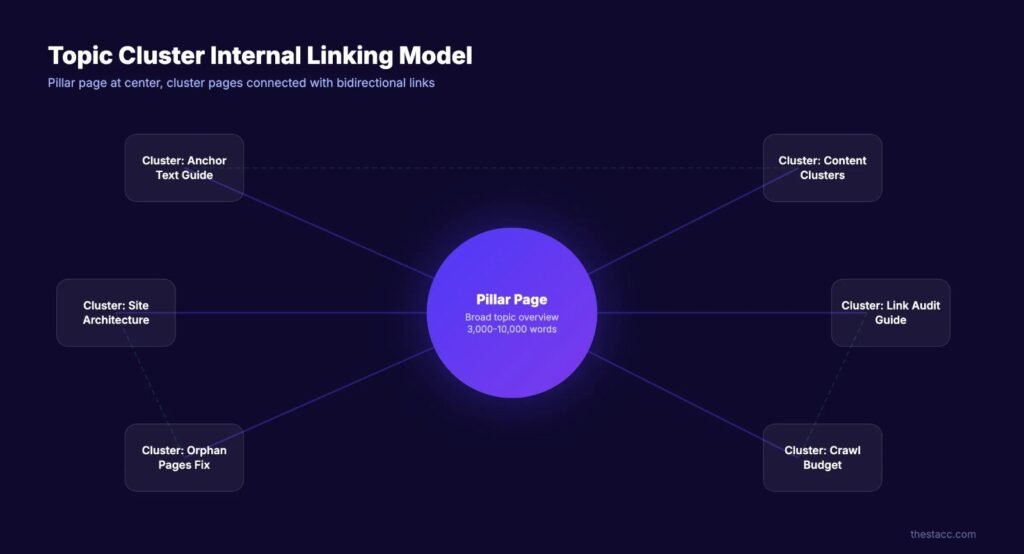
For a WordPress SEO site, you might have:
Main guide:
WordPress SEO
Supporting articles:
- How to do keyword research
- How to write SEO titles
- How to create meta descriptions
- Technical SEO checklist
- How to fix broken links
- Internal linking guide
- Schema markup guide
- Best SEO plugins for WordPress
Then connect these pages with relevant internal links.
The links should make sense in context.
For example:
Before changing your page titles, review your keyword research process so you’re targeting phrases people actually search for.
The anchor text tells the reader what they’ll find after clicking.
It also helps create a clear relationship between your pages.
9. Use structured data where it fits
Structured data gives search engines machine-readable information about your page.
Google supports several structured data types, including Article, Product, SoftwareApplication, Recipe, and others. The correct markup depends on the content you’re publishing.
For a blog, Article structured data can make sense.
For a software review, SoftwareApplication markup may be relevant.
For a product page, Product structured data may apply.
Don’t add schema simply because a plugin gives you a checkbox for it.
The markup should match the actual content on the page.
And validate it. Google recommends checking structured data with its testing tools and making sure the page can be crawled and indexed.
Schema can help search engines understand your content. It doesn’t guarantee that your page will appear in a particular search feature.
10. Keep your content accurate and updated
ChatGPT search can retrieve information from the web, so outdated content can become a problem.
Imagine an article says:
Google currently shows FAQ rich results for most informational websites.
That statement could become wrong after a search feature changes.
Your article then gives readers bad information.
Review pages that discuss:
- Google updates
- ChatGPT features
- SEO tools
- WordPress plugins
- pricing
- search features
- software settings
- statistics
Update the facts when they change.
Google’s documentation itself changes over time. For example, Google removed documentation for its FAQ rich result after the feature stopped appearing in Search, and it added newer guidance for generative AI features in 2026.
That tells you something useful about AI search content: freshness matters when the subject changes quickly.
What about keywords?
Keywords still matter.
You just have to use them naturally.
Suppose your target phrase is:
best SEO plugins for WordPress
Use it where it makes sense:
- SEO title
- H1
- introduction
- relevant H2
- body copy
- image alt text when appropriate
- internal links where natural
- meta description
Then cover related concepts naturally:
- WordPress SEO
- Yoast SEO
- Rank Math
- AIOSEO
- schema
- XML sitemaps
- redirects
- on-page SEO
Don’t repeat the exact keyword in every paragraph.
A useful page has enough context for the subject to be obvious.
Can you guarantee a ChatGPT ranking?
No.
There isn’t a published formula that lets you guarantee position 1 in ChatGPT search.
OpenAI says ChatGPT ranks search results using multiple factors intended to help users find relevant and reliable information, and explicitly says placement isn’t guaranteed.
So be careful with SEO services promising:
“We will get your website ranked #1 in ChatGPT.”
Nobody can guarantee that outcome.
A better goal is to make your pages easy to crawl, easy to understand, genuinely useful, and strong enough to be cited when they answer a user’s question.
A simple ChatGPT content checklist
Before publishing an article, run through this list.
Technical
- Can search crawlers access the page?
- Is the page indexable?
- Does your robots.txt block anything important?
- Does your firewall block legitimate crawlers?
- Does the URL return a normal response?
Content
- Does the introduction answer the main question?
- Are the headings specific?
- Are important facts explained clearly?
- Does the page contain original examples?
- Have you added first-hand experience where possible?
- Are claims supported by reliable sources?
- Is the information current?
SEO
- Is the main keyword used naturally?
- Does the title match search intent?
- Does the page have a useful meta description?
- Are related pages linked naturally?
- Are images described accurately?
- Does the page have appropriate structured data?
AI search
- Can ChatGPT crawl the page?
- Is the subject obvious from the page?
- Can an answer be extracted from a specific section?
- Are definitions clear?
- Are facts specific enough to verify?
- Does the page provide something more useful than a generic summary?
A practical example
Let’s say you’re writing:
How to do keyword research for a new website
A weak article might explain keyword research in general terms and list a few tools.
A stronger article could include:
- How to choose a seed keyword
- How to find related searches
- How to check search intent
- How to compare keyword difficulty
- How to identify low-competition topics
- A real keyword research example
- A simple spreadsheet
- Common mistakes
- How to turn keywords into article ideas
- Links to related SEO guides
Now the page contains actual information someone can use.
If a ChatGPT user asks:
How do I find low-competition keywords for a new website?
there are several specific sections that could answer the question.
That’s the type of content worth building.
The bigger SEO picture
AI search adds another way for people to discover websites.
The basic work remains familiar: crawlable pages, useful content, clear information, sensible internal linking, reliable sources, good technical SEO, and pages that satisfy the question behind the search.
Google’s current documentation makes a similar point for its generative AI features. Existing SEO practices still apply, while site owners should focus on original content and useful information rather than chasing special tricks for AI results.
So start with the page.
Make the answer clear.
Give the reader something they can actually use.
Then make sure search crawlers can reach it.
That’s a much better foundation for ChatGPT visibility than trying to find a secret ranking trick.
FAQs
How do I get my website to appear in ChatGPT?
Make sure your website can be crawled by OAI-SearchBot, publish useful content that directly answers real questions, and follow normal technical and content SEO practices. OpenAI says search placement depends on multiple factors and isn’t guaranteed.
Does ChatGPT use Google rankings?
ChatGPT search can use third-party search providers and other web sources. OpenAI has not published a rule saying that a specific Google ranking position automatically produces the same ChatGPT ranking.
Do I need special AI SEO software?
No special software is required to make a website eligible for ChatGPT search. You can start with crawlability, useful content, internal linking, technical SEO, and accurate information.
Does structured data help with ChatGPT?
Structured data is primarily a way to give search engines clearer information about page content. Google documents its use for Search features, while OpenAI does not publish a rule saying that adding a particular schema type guarantees ChatGPT visibility.
Should I write separate articles for ChatGPT?
Usually, start with content that serves the reader’s actual question. A well-written page can be useful across traditional search and AI search without creating a separate version for every platform.
How often should I update AI search content?
It depends on the subject. Articles about evergreen SEO concepts may need occasional reviews, while articles about software features, pricing, Google changes, or ChatGPT features can require much more frequent checks.