
SEO can bring a steady stream of visitors to a WordPress site. But the methods you use to get there matter.
Some SEO techniques follow Google’s guidelines and build a site over time. Others try to manipulate search results with shortcuts that can lead to ranking drops, manual actions, or even removal from Google Search.
That’s where white vs black hat SEO come in.
If you run a WordPress website, you need to know the difference before you start buying links, stuffing keywords into pages, or publishing large amounts of low-quality content.
What is white hat SEO?
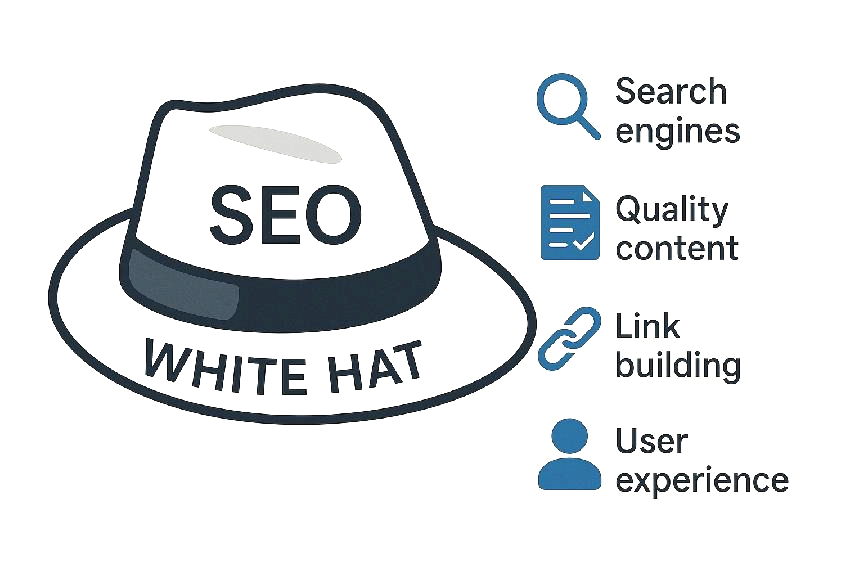
White hat SEO means improving your website in ways that follow search engine guidelines and help visitors find useful information.
You create pages for people first, make your site easy to navigate, fix technical problems, and earn links because your content is worth referencing.
For a WordPress site, white hat SEO can include:
- Writing useful, original content
- Researching keywords based on what people actually search
- Improving page titles and meta descriptions
- Making your site easy to use on mobile devices
- Fixing broken links and technical SEO problems
- Building relevant internal links
- Earning backlinks from legitimate websites
- Improving page speed and Core Web Vitals
- Keeping important information accurate and current
Google’s Search Essentials guidance gives site owners a useful baseline for creating content and websites that can appear in Google Search.
The idea is simple: make the page useful, accessible, and easy for search engines to understand.
What is black hat SEO?
Black hat SEO uses tactics that violate search engine guidelines or try to manipulate rankings.
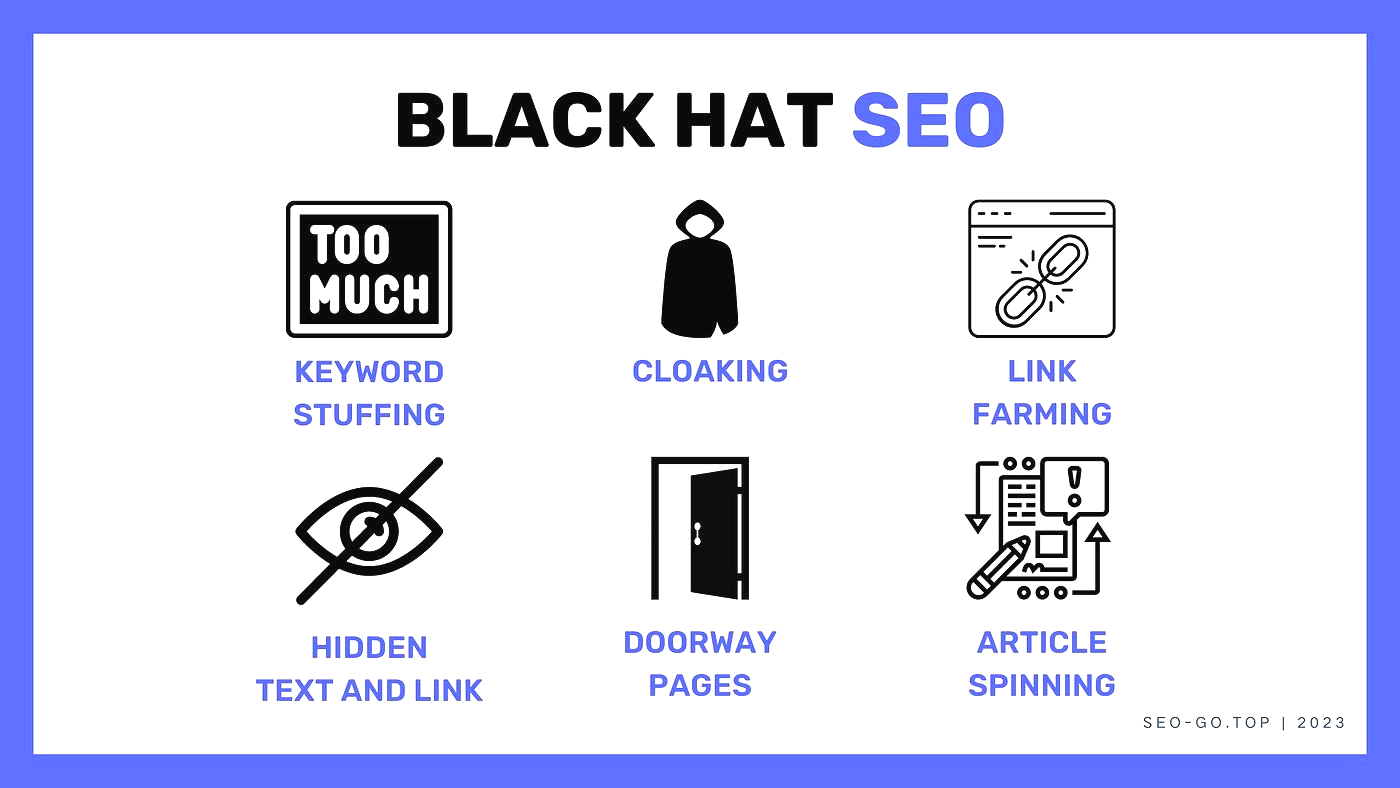
The goal is usually to gain rankings quickly without doing the work required to build a genuinely useful website.
Common examples include:
- Keyword stuffing
- Cloaking
- Hidden text
- Doorway pages
- Buying links that pass ranking credit
- Automated spam
- Publishing large amounts of low-value content
- Creating pages only for search engines
- Using hacked websites to place links
- Redirecting users to unrelated pages
Some of these tactics can work for a short time. That’s what makes them tempting.
The problem comes when search engines detect the manipulation.
Google can take manual action against websites that violate its spam policies. A site can lose visibility for specific pages or across much of its search presence.
White vs. black hat SEO
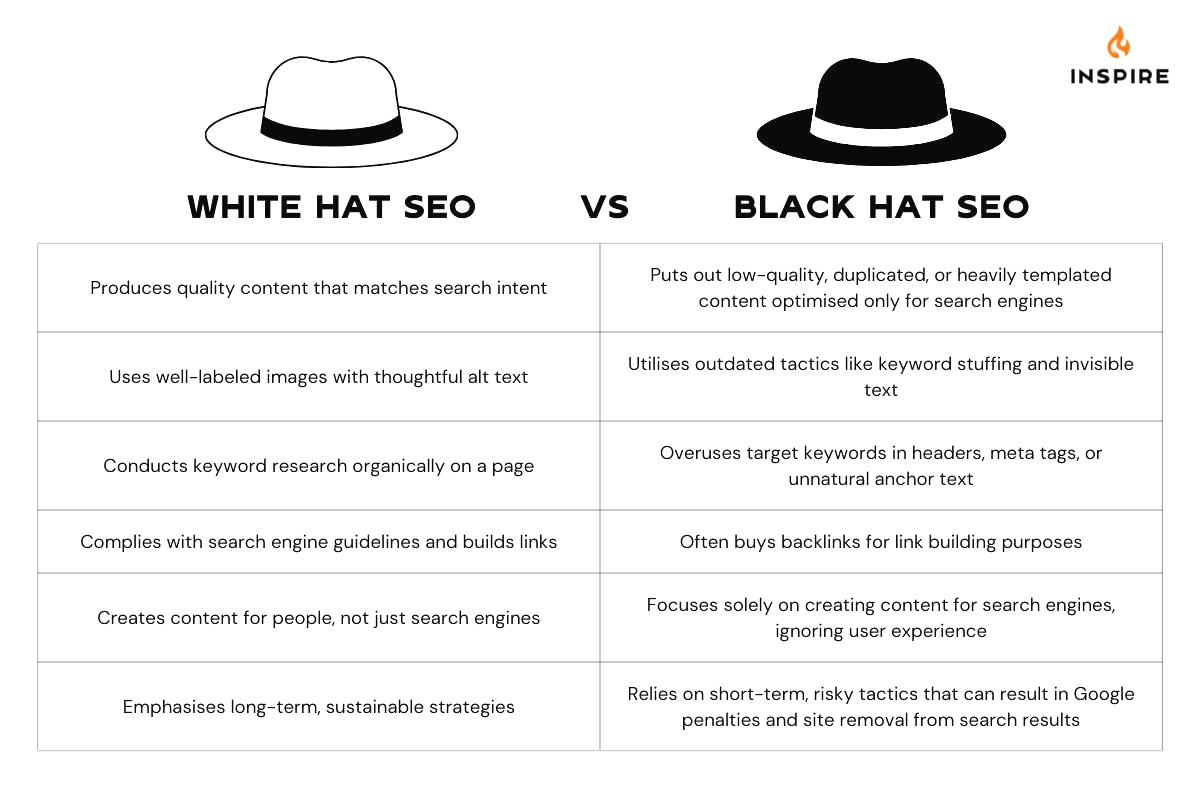
The difference becomes easier to understand when you put the approaches side by side.
| White hat SEO | Black hat SEO |
|---|---|
| Creates useful content | Creates content mainly to manipulate rankings |
| Earns relevant links | Buys or manipulates links |
| Uses keywords naturally | Stuff keywords into pages |
| Improves user experience | Hides content or redirects users |
| Follows search engine guidelines | Breaks or tries to bypass guidelines |
| Builds traffic over time | Chases quick ranking gains |
| Focuses on real users | Focuses heavily on search engine manipulation |
Your WordPress site can use hundreds of legitimate SEO techniques without getting anywhere near black hat SEO.
That’s usually the better trade.
Why black hat SEO is risky
Black hat SEO can look attractive when you’re staring at a new website with 0 traffic.
You publish 20 pages, build hundreds of backlinks, and suddenly a few keywords start ranking.
Then Google catches the pattern.
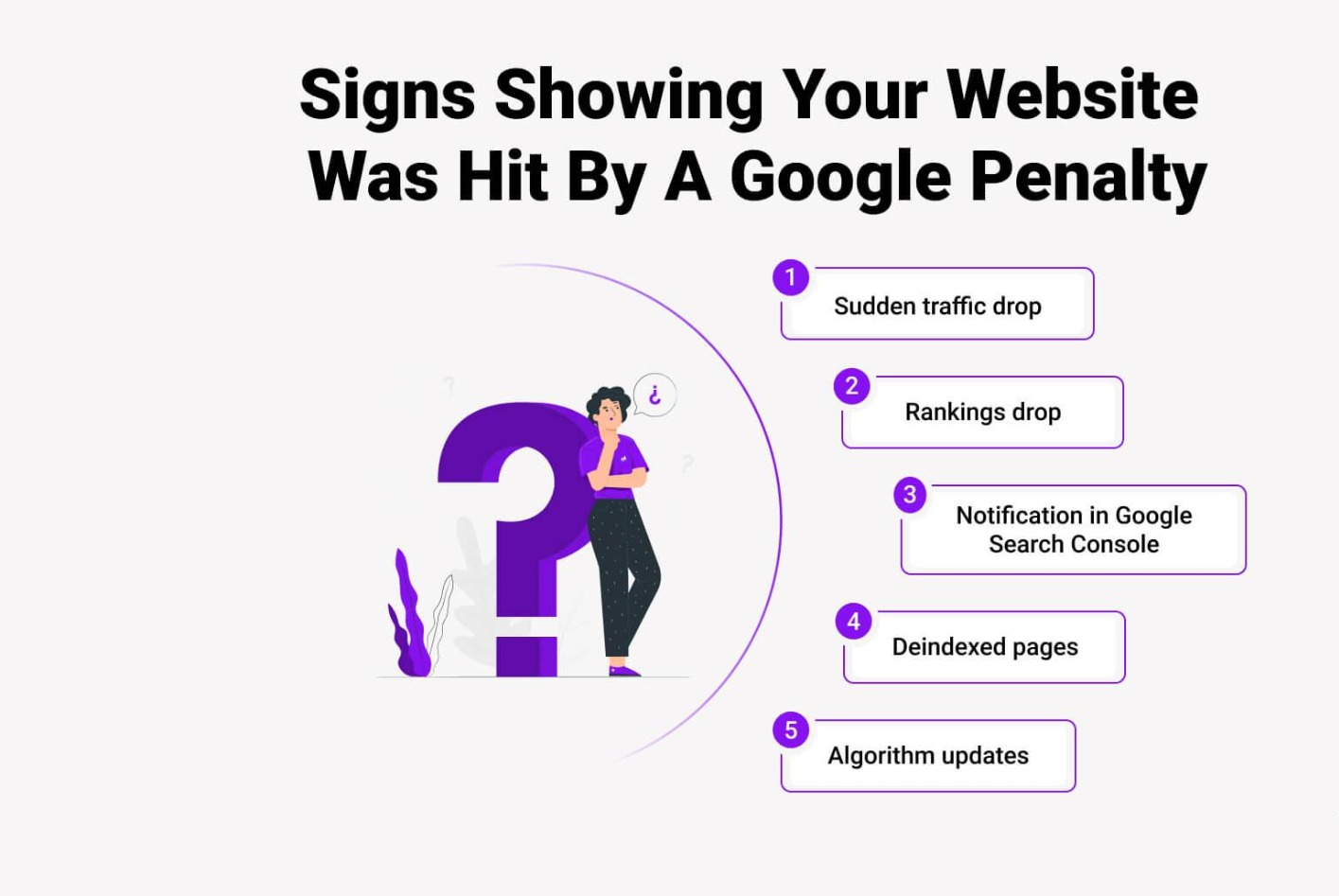
A ranking drop can wipe out months of work. If your website depends on organic traffic for leads, sales, or ad revenue, that drop can hurt your business directly.
Google’s spam policies specifically cover tactics such as link spam, keyword stuffing, cloaking, sneaky redirects, and scaled content abuse.
The safest approach is to understand these policies before you build your SEO strategy.
6 white hat SEO techniques for WordPress
You don’t need complicated tricks to build a solid SEO foundation.
Start with these 6 areas.
1. Create content that answers a real search
Before writing a blog post, search the keyword yourself.
Look at the pages ranking for it.
What questions do they answer? What information is missing? Can you explain the topic more clearly?
For example, if you’re writing about WordPress SEO, a generic 1,000-word article probably won’t help much.
You could instead create a practical guide covering:
- WordPress SEO settings
- XML sitemaps
- Internal links
- Image SEO
- Schema markup
- Redirects
- Common indexing problems
Give the reader something they can actually use.
2. Use keywords naturally
Keyword research still matters.
But you don’t need to repeat the same phrase 20 times.
Use your primary keyword where it makes sense, such as the page title, H1, URL, introduction, and relevant subheadings.
Then write naturally.
For example, if your target keyword is WordPress SEO checklist, you might use:
H1: WordPress SEO Checklist: 15 Things to Check Before Publishing
The rest of the article can use natural variations such as WordPress optimization, SEO settings, technical SEO, and search visibility.
Google can understand related language without you forcing the exact keyword into every paragraph.
3. Build internal links
Internal links connect one page on your website to another.
They’re useful for readers and help search engines discover pages on your site.
Suppose you have these articles:
- WordPress SEO Checklist
- How to Add FAQ Schema in WordPress
- WordPress Redirects Guide
- SEO Automation for WordPress
You can connect them when the topics naturally overlap.
For example, your WordPress SEO checklist could link to the detailed FAQ Schema guide.
Use descriptive anchor text when possible.
Good:
Read our guide to adding FAQ Schema in WordPress.
Weak:
Click here.
Don’t add links just to increase the number of links on a page. Make each link useful.
4. Earn relevant backlinks
Backlinks still matter as part of SEO, but how you acquire them matters.
A relevant backlink from a website in your industry can send referral traffic and help search engines understand your site’s authority.
You can earn links by:
- Publishing original research
- Creating useful guides
- Writing guest posts on relevant sites
- Providing expert commentary
- Creating statistics pages
- Publishing resources other sites can reference
Buying large batches of links from random websites is a different story.
Google’s spam policies include buying or selling links intended to manipulate search rankings.
If someone promises 500 backlinks for $20, walk away.
Your WordPress dashboard won’t show the damage immediately. The rankings usually tell the story later.
5. Fix technical SEO problems
Good content can’t do much if search engines can’t properly access your pages.
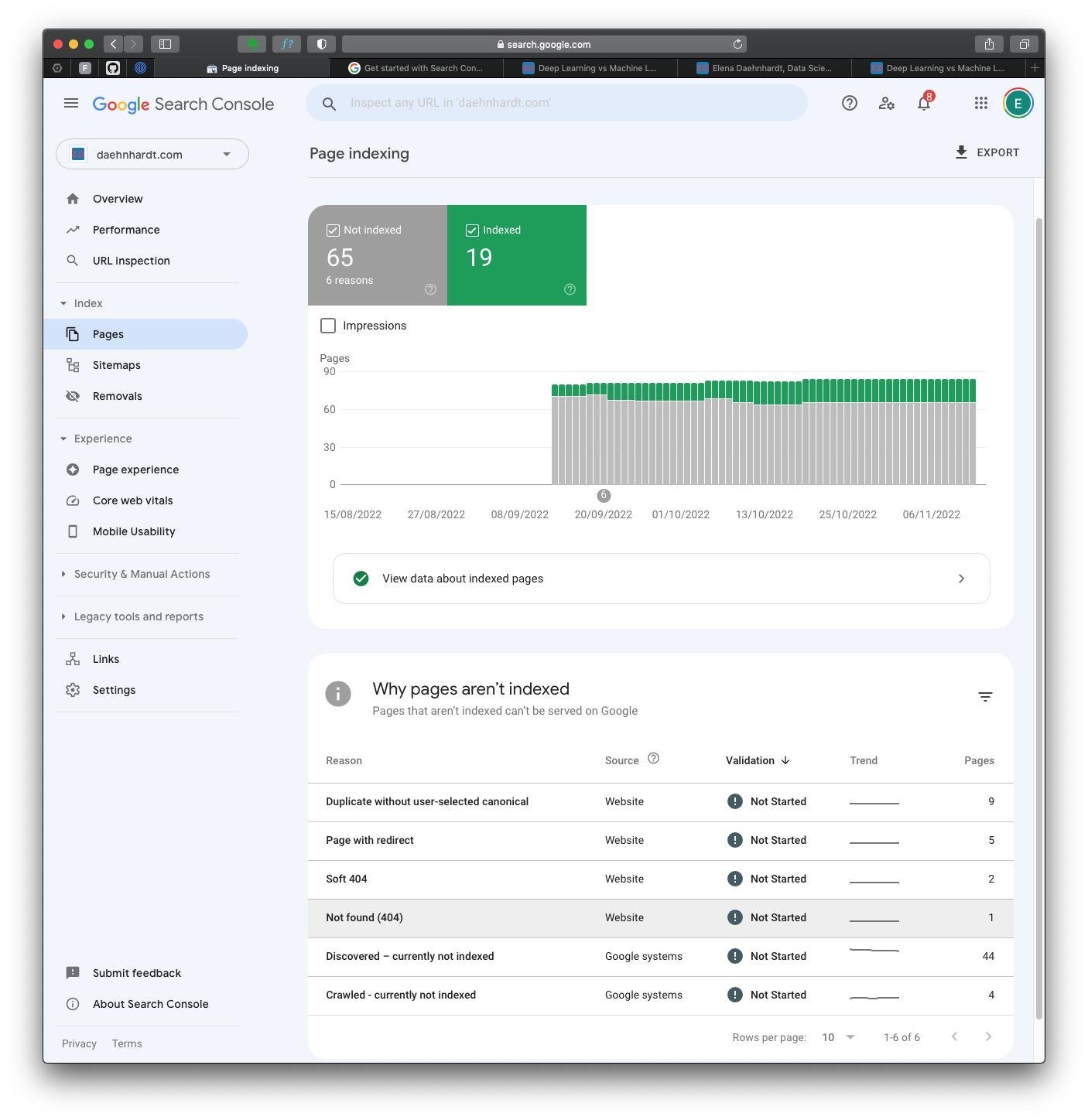
Check your WordPress site for:
- Broken links
- Incorrect redirects
- Accidental noindex tags
- Duplicate pages
- Missing XML sitemap
- Poor mobile usability
- Slow-loading pages
- Incorrect canonical URLs
Google Search Console is particularly useful here.
You can check indexing problems, search queries, clicks, impressions, and pages appearing in Google.
For WordPress users, SEO plugins can also simplify many routine tasks. Just don’t install 4 plugins that all try to control the same SEO settings.
That usually creates more problems than it solves.
6. Improve the page for humans
Search engines want to understand your page, but people have to use it.
Make your content easy to scan.
Use:
- Short paragraphs
- Descriptive headings
- Clear examples
- Helpful images
- Tables when they make comparison easier
- Lists when you have several related points
Keep your introduction tight.
If a visitor searches for “how to fix a WordPress redirect,” they should quickly understand whether your page can solve the problem.
Black hat SEO techniques to avoid
Some tactics deserve a hard no.
Keyword stuffing
Keyword stuffing means loading a page with keywords in a way that sounds unnatural.
For example:
WordPress SEO is important for WordPress websites because WordPress SEO helps WordPress websites improve WordPress SEO.
Nobody talks like that.
Write for the person reading the page. Use the keyword where it fits naturally.
Cloaking
Cloaking shows different content to search engines and users.
For example, Googlebot might receive a page about SEO while a visitor gets a completely different page.
Google lists cloaking as spam because the search engine isn’t seeing the same content users see.
Hidden text
Some sites hide keywords by making text the same color as the background or placing it where visitors can’t see it.
Don’t do it.
If the text exists only to manipulate search rankings, you’re creating a problem for yourself.
Link spam
Link spam covers various methods used to manipulate rankings through links.
Examples include:
- Automated backlink generation
- Excessive link exchanges
- Low-quality directory links
- Paid links that pass ranking credit
- Comment spam
- Forum spam
A backlink isn’t automatically good because it exists.
Relevance and context matter.
Doorway pages
Doorway pages are created to rank for specific searches and then send visitors somewhere else.
For example, creating dozens of nearly identical WordPress pages targeting different cities, even though the business doesn’t have meaningful local information for those places.
That creates a poor experience and can violate Google’s spam policies.
Is AI-generated content black hat SEO?
AI writing itself isn’t automatically black hat SEO.
The problem is what you publish and why you publish it.
Google’s guidance focuses on the quality and purpose of content. Content created primarily to manipulate search rankings can violate its spam policies, including when automation is used to produce large amounts of low-value pages.
So if you use AI to help research, outline, edit, or draft content, you still need to review the final page.
Check:
- Facts
- Sources
- Examples
- Originality
- Search intent
- Accuracy
- User experience
Don’t publish 500 AI-generated pages just because your WordPress setup can create them.
More pages don’t automatically mean more useful search traffic.
How to keep your WordPress SEO clean
You can reduce SEO risk with a simple routine.
Before publishing
Check the target keyword and search intent.
Read the competing pages.
Make sure your article actually answers the query.
Check the title, URL, headings, internal links, images, and meta description.
After publishing
Watch Google Search Console.
Look for:
- Indexing issues
- Ranking changes
- Search impressions
- Click-through rate
- Pages receiving traffic
- Queries bringing visitors
If something suddenly changes, investigate before making 20 more SEO edits.
SEO gets messy when you keep changing things without knowing what caused the problem.
What should you do if your WordPress site uses black hat SEO?
First, don’t panic.
Make a list of the tactics you’ve used.
If you’ve bought backlinks, review the links. If you’ve created thin pages, identify them. If you’ve used redirects or hidden content, check those pages carefully.
Then remove or fix the problematic elements where possible.
If Google has issued a manual action, check Google Search Console → Manual actions.
Google provides specific guidance for fixing manual actions and submitting a reconsideration request after you’ve addressed the problem.
Don’t submit a reconsideration request while the same spam tactics are still sitting on your website.
Fix first. Request review after.
White hat SEO is the safer WordPress strategy
Your WordPress SEO strategy should be built around useful pages, clean site structure, relevant keywords, good internal linking, and legitimate backlinks.
You won’t control exactly how fast a page ranks. That’s normal.
What you can control is the quality of the work you put into the site.
Write pages people actually need. Keep the technical side clean. Check your search data regularly.
And when someone promises instant rankings through secret SEO tricks, ask one question:
What happens to my website if Google catches it?
If the answer sounds uncomfortable, don’t use the tactic.