
How to boost your author SEO in WordPress starts with treating your author page and bylines as ranking assets rather than afterthoughts. Optimise your author archive, strengthen topical signals across your content, fix technical issues that dilute authority, and consistently link your name to high-value topics.
When you do this well, Google associates your expertise with specific subjects, which improves organic ranking for both your name and the posts you publish.
Many writers publish excellent work yet remain invisible because their author profiles send weak or mixed signals. Search engines need clear proof of who you are, what you know, and why readers should trust you.
This guide walks through the exact steps that move the needle for author-level visibility inside WordPress, without relying on outdated tricks or empty promises.
Why Author SEO Matters More Than Ever
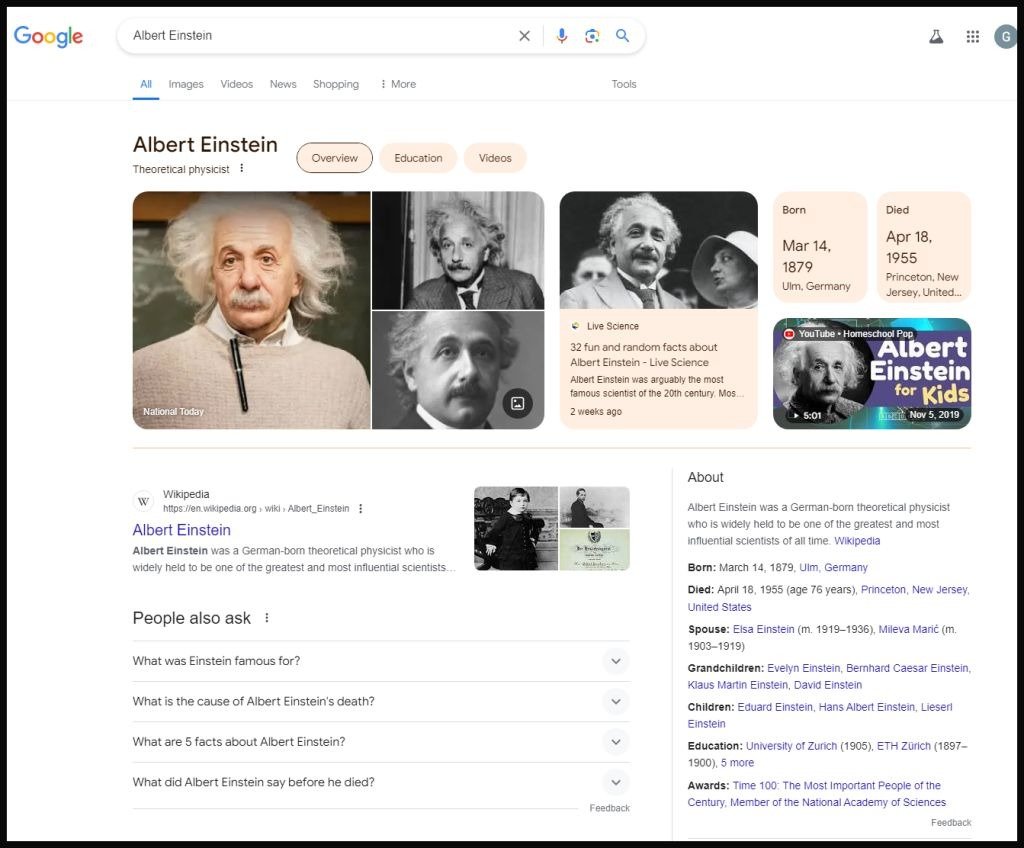
Author SEO is the practice of building search visibility around a specific person’s name and expertise. In WordPress this usually centres on the author archive page, byline links, and the body of content that person produces. When done correctly it supports single page SEO for individual posts while also lifting the overall website visibility of the site.
Google’s systems increasingly reward clear expertise signals. A strong author profile helps with E-E-A-T evaluation and can improve click-through rates because readers recognise a consistent, credible name. For freelance writers, in-house content teams, and site owners who publish under multiple bylines, investing in author SEO creates compounding returns.
A common mistake is treating every author the same. One writer may own a narrow topic cluster while another covers broader subjects. Your strategy should reflect that difference.
Set Up a Strong Author Profile and Archive Page
The author archive is the foundation of author SEO. In most WordPress installs it lives at /author/username/. Make sure this page is indexed, well-written, and useful.
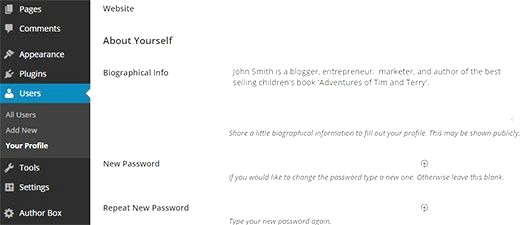
Start by completing the biographical information thoroughly. Include a clear professional summary, relevant credentials, and links to other places you publish. Avoid keyword stuffing in the bio; write it for humans first. Mention the main topics you cover so the page becomes topically relevant.
Next, ensure the archive displays recent posts with clean titles, short excerpts, and proper header tags. Many themes bury author archives or load them with thin content. Choose a theme or customise the template so the page feels substantial.
Technical checks matter here:
- Confirm the author archive is set to index (check robots.txt and any SEO plugin settings).
- Add a unique title tag and meta description that include natural variations of your name and core topics.
- Use a consistent author name across the site to avoid dilution.
If you run a multi-author site, consider whether every author archive deserves equal resources. Focus effort on the writers who produce cornerstone content or drive the majority of organic traffic.
Apply the 80/20 Rule to Your Content Strategy SEO
The 80/20 rule in SEO simply means focusing the majority of your effort on the small set of actions that produce most of the results. For author SEO this usually means prioritising a handful of high-impact topics rather than spreading yourself thin.
Identify the subjects where you already have depth or genuine experience. Build clusters of related posts around those subjects. Link them together with clear internal links and make sure your author archive surfaces the strongest pieces. This approach creates topical authority faster than publishing scattered articles across unrelated subjects.
Practical application:
- Audit your published work and group posts by theme.
- Expand the strongest clusters with new, complementary pieces.
- Update older posts so they remain accurate and interlink properly.
- Use focus keywords and secondary keywords only where they fit naturally inside the content.
Writers who treat content strategy SEO as a long-term topic map rather than a list of individual keywords tend to see more stable organic ranking over time.
Technical Foundations: Plugins, Canonicals, and Indexing
WordPress gives you excellent control once the technical base is solid. Choose a reliable SEO plugin. Many site owners still rely on Yoast or similar tools because they handle title tags, meta descriptions, and schema efficiently. Whatever you select, learn its author and archive settings thoroughly.
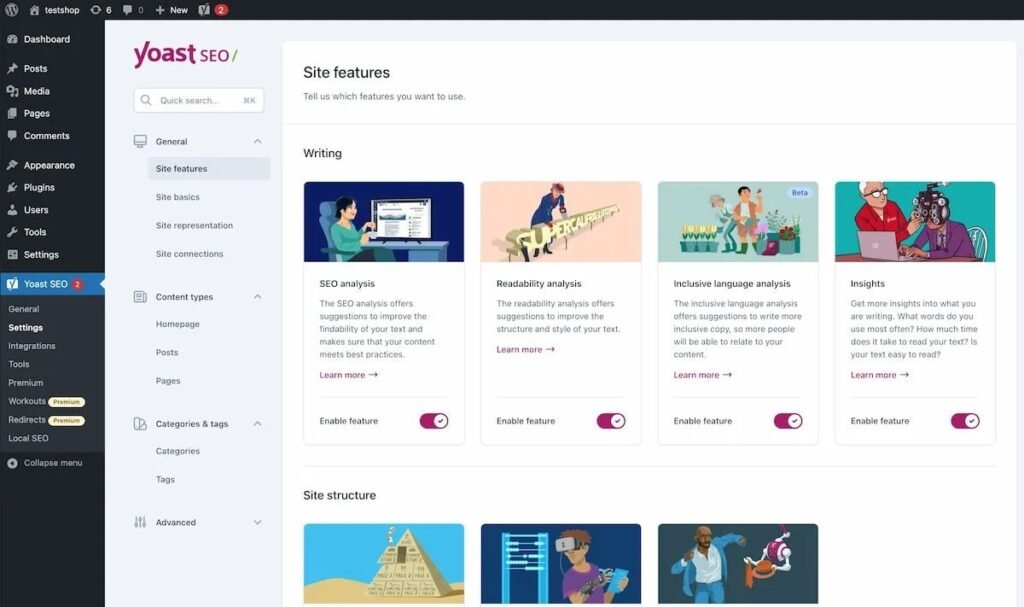
Pay special attention to canonicalisation. Duplicate content SEO issues frequently appear when the same post can be reached through category, tag, and author archive URLs. Set a clear preferred URL for each piece of content and let the plugin output the correct canonical tags. Yoast canonical settings, for example, usually handle this well when configured correctly.
Other technical tasks worth completing:
- Ensure webpage indexing is not blocked for author archives or key posts.
- Optimise title tags and header tags so they communicate topic and authorship clearly.
- Name images descriptively rather than leaving default filenames. Naming images for SEO remains a simple but often ignored step.
- Avoid stuffing seo meta keywords; modern search engines largely ignore the meta keywords tag.
These are classic SEO quick wins. They rarely produce dramatic overnight jumps, yet they remove friction that otherwise holds rankings back.
On-Page and Content Signals That Strengthen Author Authority
Once the technical side is clean, shift attention to the content itself. Every post should reinforce the author’s topical focus.
Write clear, useful introductions that answer the main question early. Use header tags that outline the logical structure of the piece. Include examples drawn from real experience whenever possible. Readers and search systems both respond better to specific detail than to generic advice.
Internal linking deserves deliberate attention. When you publish a new post, link from it to older cornerstone content on the same topic and vice versa. Point relevant internal links to the author archive or to a short author bio box at the end of each post. This helps distribute authority and makes the connection between writer and topic more explicit.
For writers who also work as freelancers or consultants, consider how your published work supports your personal brand. Consistent bylines across multiple sites can strengthen overall author SEO when those sites are themselves well optimised.
Common SEO Myths and Realistic Expectations
Several persistent myths still circulate among writers. One is that ChatGPT or similar tools can fully replace SEO work. Tools can help with outlines, research summaries, and first drafts, but they cannot replace strategic decisions, original insight, or ongoing optimisation based on real performance data. Can ChatGPT do SEO? It can assist, yet the judgement and prioritisation remain human.
Another myth is that more keywords automatically equal better rankings. Modern systems reward depth and usefulness far more than keyword density. Focus on topics not keywords. When you understand a subject thoroughly and write for the reader, natural language usually covers the important terms without forced repetition.
A third misconception is that author SEO is only for personal blogs. Multi-author publications, company blogs, and magazine-style sites all benefit when individual writers develop recognisable expertise signals.
Realistic timelines matter. Meaningful improvements in organic ranking and website visibility usually appear over weeks and months rather than days. Track progress through Search Console, watching both branded queries that include your name and non-branded queries related to your core topics.
Practical SEO Tasks and Quick Wins You Can Implement Today
Here is a focused checklist of actionable steps:
- Complete and expand every author bio with clear expertise statements.
- Audit author archives for thin content and improve them.
- Fix any canonical or duplicate content issues.
- Optimise the five to ten posts that already attract the most search traffic.
- Add or refine schema markup for authorship where supported.
- Ensure image filenames and alt text are descriptive.
- Build or strengthen internal links between related posts by the same author.
- Review title tags and header structure on high-value pages.
These tasks form a practical routine that any WordPress SEO expert or dedicated writer can maintain. Consistency beats intensity for long-term results.
Putting It All Together
How to boost your author SEO in WordPress comes down to clarity, consistency, and usefulness. Build a strong author archive, write content that demonstrates real knowledge, keep the technical foundations clean, and focus effort where it compounds. Over time these practices improve both your personal visibility and the performance of the sites you contribute to.
Start with the author profile and one strong content cluster this week. Measure what changes in Search Console over the following month, then expand from there. The writers who treat author SEO as an ongoing practice rather than a one-time project are the ones who steadily gain authority and traffic.
If you manage multiple authors or a larger content operation, document these standards so every writer follows the same baseline. That shared discipline turns individual effort into lasting site-wide gains.
How do I boost SEO on WordPress specifically for authors?
Focus first on the author archive page, consistent bylines, and topical clusters of content. Combine clean technical settings with regularly updated, useful posts that clearly demonstrate expertise.
What is the 80/20 rule in SEO and how does it apply here?
Concentrate most of your time on the small number of topics and technical fixes that drive the majority of results. For most authors this means deepening a few subject areas rather than publishing randomly across many.
Can ChatGPT do SEO for my author pages?
It can generate drafts, suggest structure, and help with research, but strategy, accuracy checks, and performance-based decisions still require human oversight.
How can I boost SEO fast without cutting corners?
Prioritise technical clean-up (canonicals, indexing, title tags), improve the author archive, and refresh existing high-potential posts. These steps often produce the quickest measurable improvements.
Do I need a WordPress SEO expert or can I handle author SEO myself?
Most writers can manage the fundamentals with a solid plugin and careful attention to content quality. Bring in specialist help when the site is large, complex, or already competing in competitive niches.